
Working on FairScan or getting a "real job"?
April 18, 2026
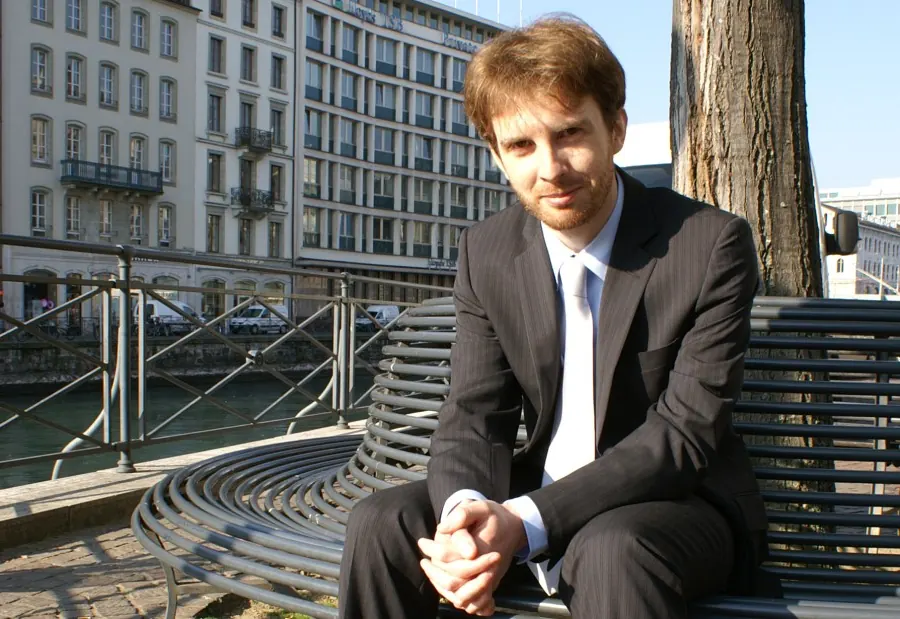
I've been working actively on FairScan for almost a year now. Why do I spend my time working on an open source project rather than getting a "real job"? What drives me? To explain that, I have to write about myself, much more than I did so far in this blog. That feels a bit uncomfortable but it can help convey what I'm trying to achieve.
Over the last 25 years, I had several jobs as a software engineer. The last one was for a company producing software for developers. I worked with passionate people and I learned a lot about software engineering, product management, and team collaboration. I also found a culture that resonated strongly with my own beliefs. It was an amazing experience. However, after 10 years, my job had changed to being a manager and I wasn't happy about it. Moreover, the company had grown from 25 to 500 employees and the culture was dissolving, becoming something I no longer recognized. It was a bit heartbreaking but I had to turn that page, time had come for me to leave.
What next? Life is short, and sometimes it reminds you of that. So what's important to me? When I think about this question, my head gets full of the concerns I have about where the world is going. I know I can't change the world but I just can't stay doing nothing about it. There are plenty of domains in my daily life where I try to be consistent with what I believe in, but my job is the most crucial part of it, it's where I spend a significant proportion of my time. I need sense, I need to feel that I contribute to something useful.
I briefly tried working as a maths teacher but I failed. I would love being able to do that: helping other humans grow, finding ways to explain concepts, giving keys to understand the world... But I miss crucial skills: managing a group of 25 or 30 teenagers is just impossible to me and I probably knew it before trying. Even though, I tried. It was an intense experience of just a few weeks but I have no regret about it. Back to doubt.
I could probably find a job as a software engineer in a bank or some other business that needs my skills. But I feel I would most likely contribute to making the world worse than it is, having an impact that is opposite to what I want. It would be easy to say that "I have no choice", but I believe that would be wrong.
Let's take a step back. What's a good job for me? I guess it's a lot about how much I enjoy it and the sense I get out of it. I also expect to get money from it, and I need to have the required skills. It looks like an equation that is difficult to solve. Sense is what I need most. For now, I can afford to work without making money, so let's take it out of the equation. That's radical, but it opens new possibilities.
What are my skills? Writing good software, and designing products that make sense, I believe. I can put those skills to work, not to build any kind of software, but something that makes me feel I have a modest but positive impact.
My view is that, on a daily basis, we rely a lot on software that serves the interest of a business rather than the interest of its users. Most people seem to accept the situation. I don't. My ambition is to contribute putting this situation into question by developing software that works, that is usable by everyone, and that's respectful.
I looked for ideas of software I could develop. It happened that I needed a mobile document scanning app and I couldn't find an existing one matching my criteria. So I started to develop it. Implementing a scanning app that can be used by everyone is not trivial: the main challenges are about automatic document detection, image processing and a good user interface. But, with enough motivation, it's doable by an independent developer like me. That's how FairScan was born.
It turned out that this is a market that illustrates very well the problem I described: when you install a "free" app, either you give your private data (your scans) to Big Tech, or you're exposed to ads and dark patterns that try to get your money somehow. FairScan is my attempt to change that: to contribute to raise awareness, especially among people who don't know open source, that software can be both usable and respectful.
Building an open source project doesn't have an impact that is as directly visible as, for example, teaching maths to kids. Still, FairScan is now used in conjunction with ODK Collect, an app that is used mainly by research, public health, and humanitarian organizations. I didn't expect that. I didn't think FairScan could end up contributing to efforts I actually care about.
Working on FairScan is not always easy and I still have doubts. But this is what I consider my job, at least for now. At first, I wasn't quite comfortable with the idea because it doesn't fit well with what you usually call a "job". Now, I think I am. It's the result of a deliberate choice, and it allows me to put a lot of myself in what I do every day.